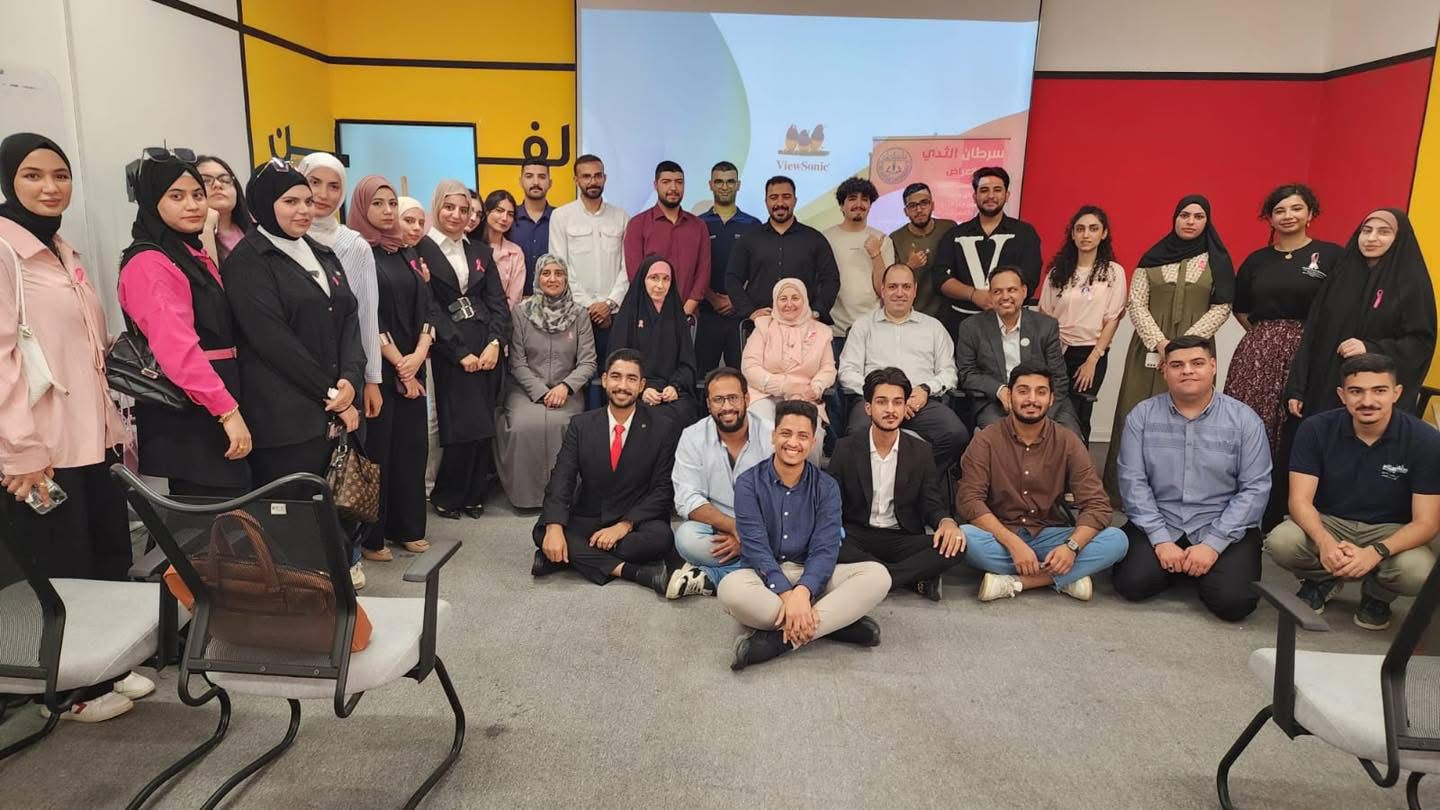
Stemming from its commitment to community service and the promotion of health consciousness, the College of Nursing at Al-Bayan University organized an extensive educational and awareness campaign on Friday, October 24, 2025. The event was held at Beit al-Jamal (Al-Mutanabbi Street / Al-Qishla), coinciding with “Pink October,” the Global Breast Cancer Awareness Month.
The campaign, sponsored by the College of Nursing at Al-Bayan University in collaboration with Beit al-Jamal, aimed to elevate public awareness regarding the severity of breast cancer and the critical role of early detection in improving survival rates. It also focused on promoting the early detection of chronic diseases.
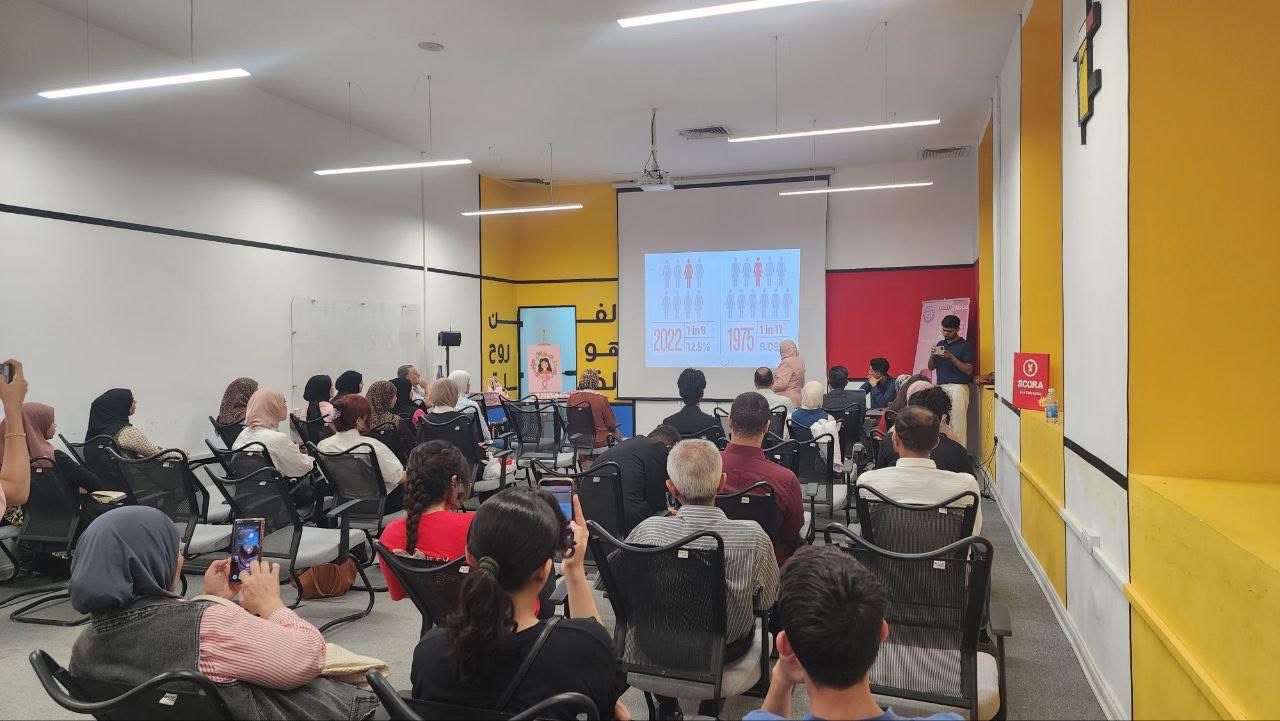
The event featured a primary educational component, centered on an awareness lecture delivered by Prof. Dr. Wafaa Mohammed Attoof. She provided a detailed review of the warning signs and symptoms associated with the disease, emphasizing the latest relevant statistics and the necessity of regular self-examination and periodic screenings.
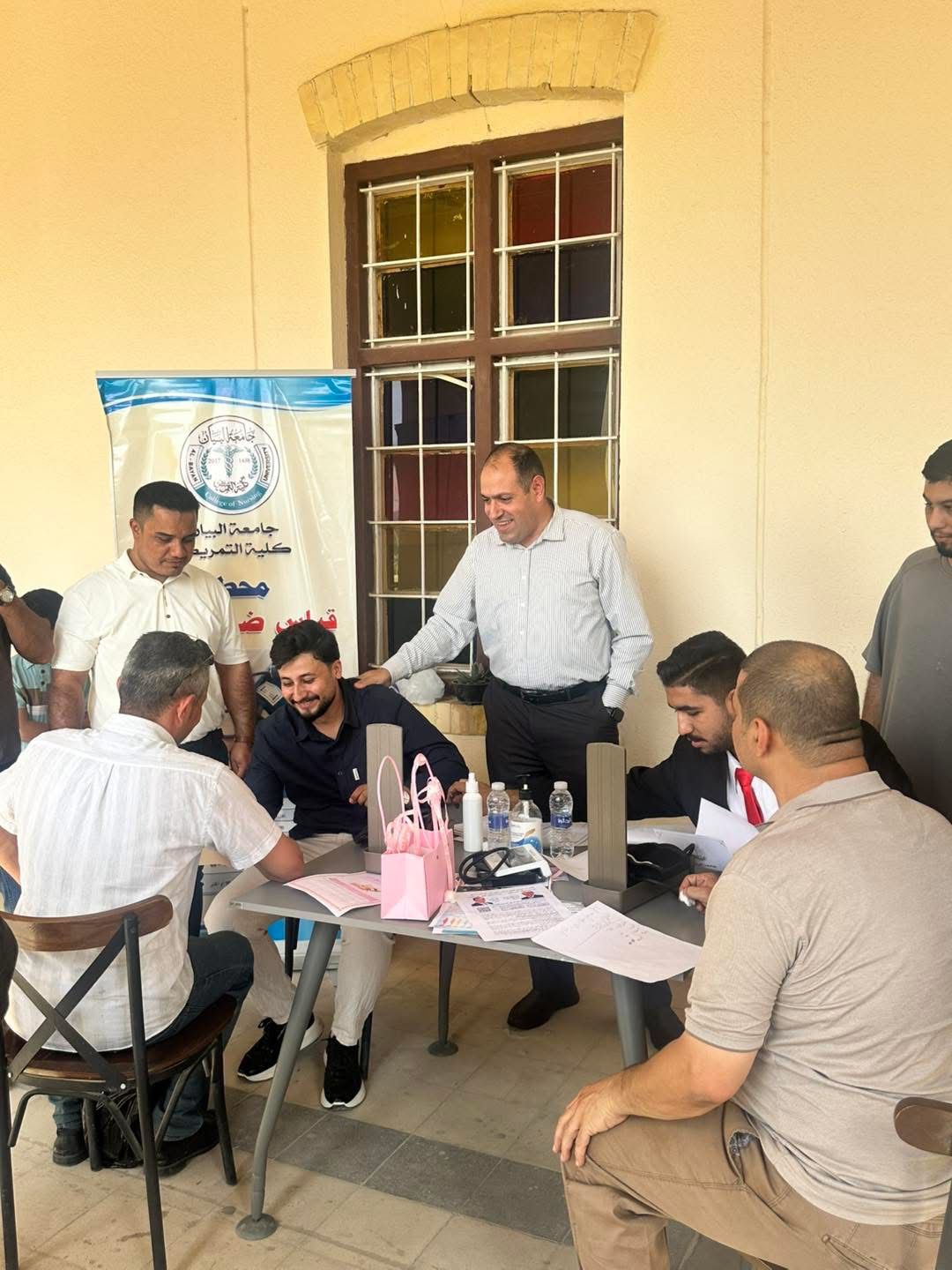
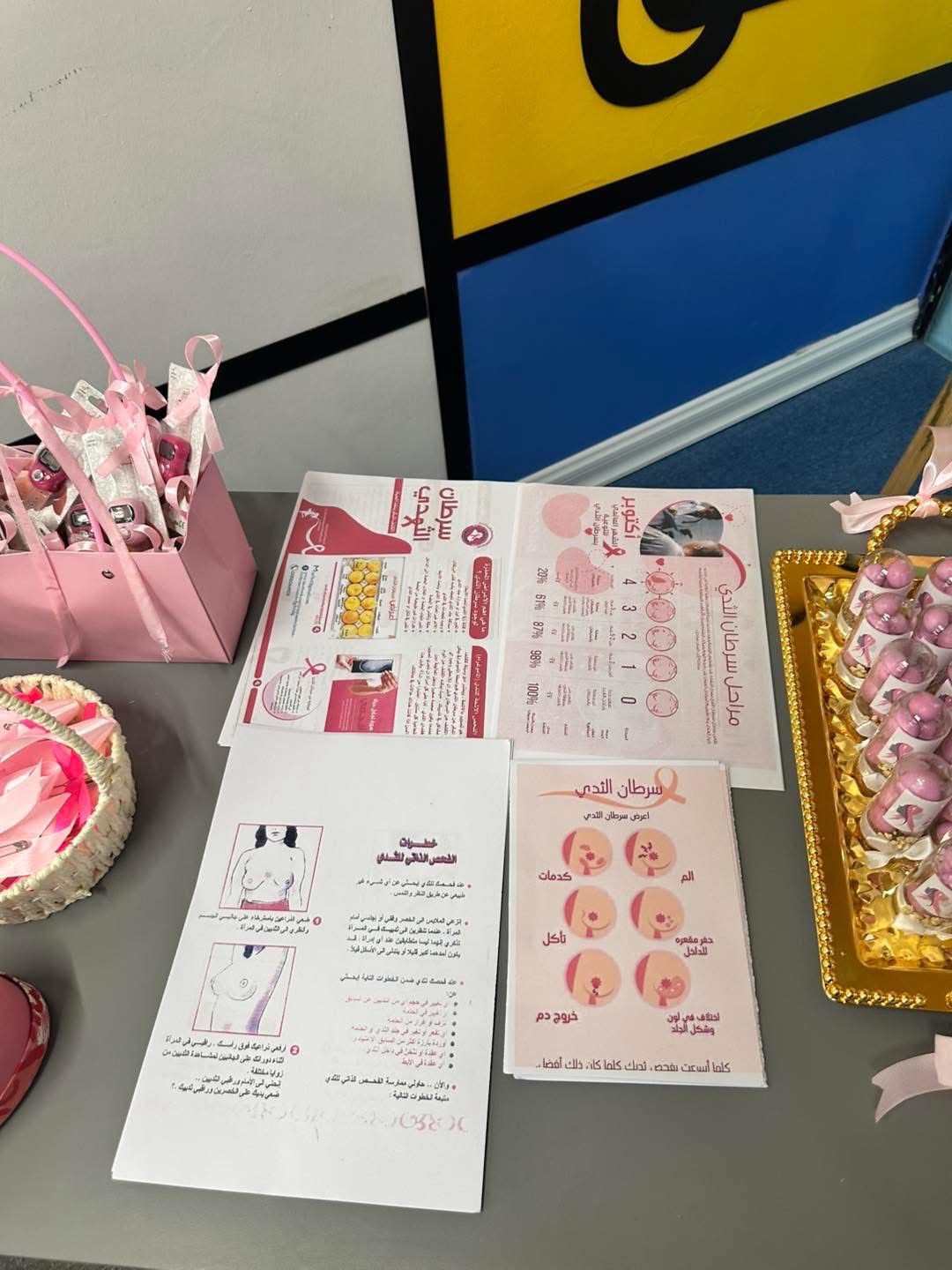
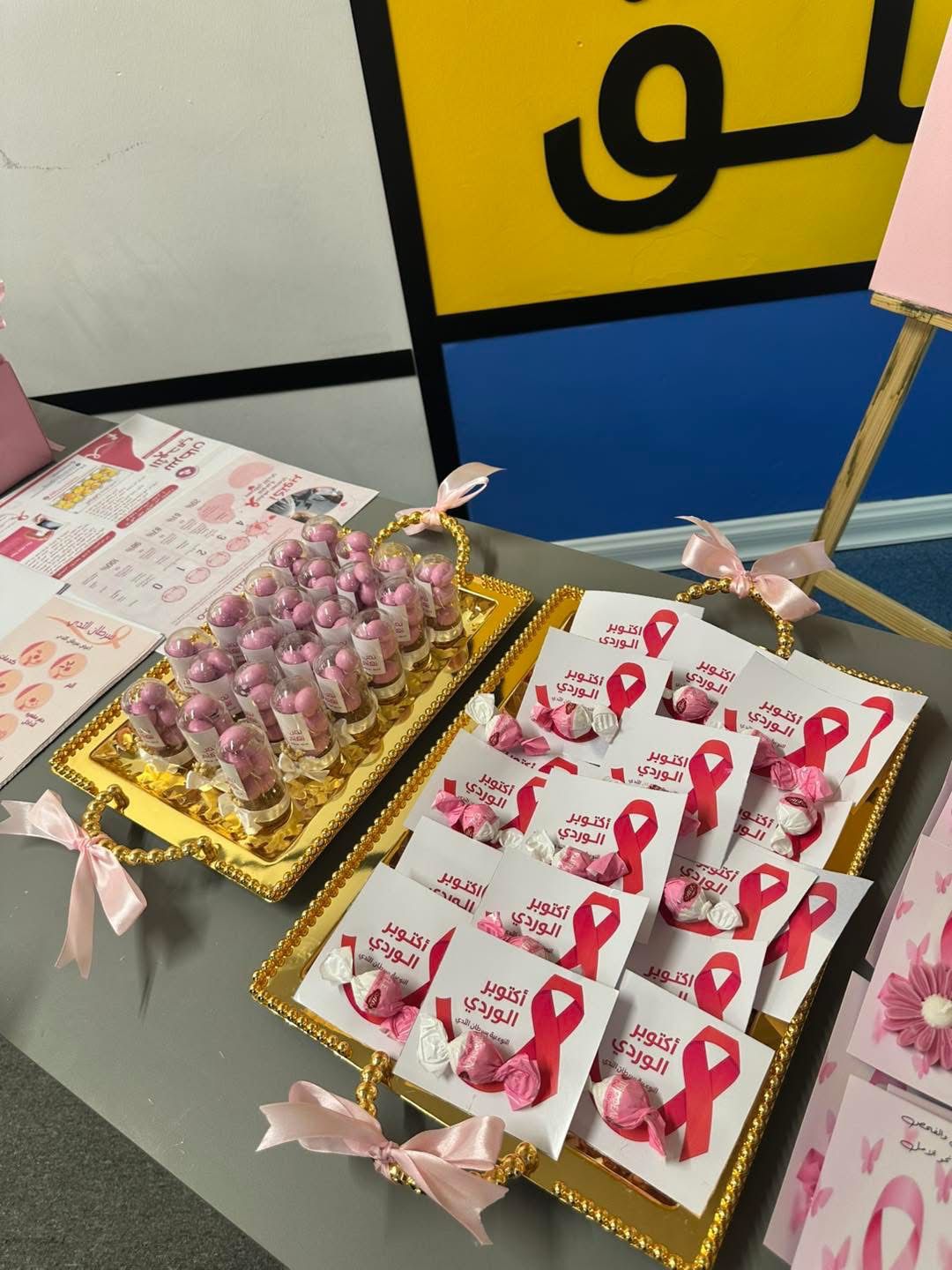
The campaign saw active and distinguished participation from faculty members and students of the College of Nursing. They managed the distribution of informational leaflets and brochures regarding the detection of breast cancer and chronic diseases to the public, providing clear explanations to reinforce health concepts related to these conditions.
In addition to the educational component, the campaign provided complimentary health services to the public. These included basic medical screenings such as blood pressure measurement, blood glucose level determination, and Body Mass Index (BMI) calculation. This initiative is part of the college’s steadfast commitment to advancing public health and encouraging community members to adopt healthy lifestyles, beginning with the early detection of diseases prior to onset.
Key Campaign Outcomes:
The most prominent outcomes of the awareness campaign were as follows:
• Raising Awareness: Enhancing health consciousness among a broad segment of visitors regarding the importance of early detection of breast cancer and its severity.
• Direct Education: Providing specialized educational guidance to the public on self-examination techniques, disease warning signs, and correcting common misconceptions.
• Health Services: Offering free health services and preliminary screenings (blood pressure, glucose, and BMI) to a large number of attendees, which contributed to promoting the concept of primary healthcare and disseminating a culture of early detection.

Location
Recent News
Useful Links
Al-Bayan anthem
Quick Search
Virtual Tour 3D

All right reserved. 2016 -2026 | Al-Bayan University | IT Department